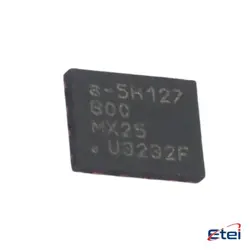
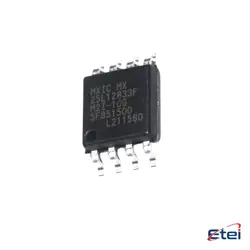
Images are for reference only
ATMEGA324PB-AU
+BOMIC MCU 8BIT 32KB FLASH 44TQFP
-
ManufacturerMicrochip Technology
-
Mfr. Part #ATMEGA324PB-AU
-
Datasheet ATMEGA324PB-AU DataSheet
-
Package TQFP-44
-
In Stock3941
365 Days Quality Guarantee
7*24 hours service quarantee
90-day after-sales guarantee
Genuine Product Guarantee
Specifications
| Attribute | Value |
| Package | Tray |
| Series | AVR® ATmega, Functional Safety (FuSa) |
| ProductStatus | Active |
| CoreProcessor | AVR |
| CoreSize | 8-Bit |
| Speed | 20MHz |
| Connectivity | I²C, SPI, UART/USART |
| Peripherals | Brown-out Detect/Reset, POR, PWM, WDT |
| NumberofI/O | 39 |
| ProgramMemorySize | 32KB (16K x 16) |
| ProgramMemoryType | FLASH |
| EEPROMSize | 1K x 8 |
| RAMSize | 2K x 8 |
| Voltage-Supply(Vcc/Vdd) | 1.8V ~ 5.5V |
| DataConverters | A/D 8x10b |
| OscillatorType | Internal |
| OperatingTemperature | -40°C ~ 85°C (TA) |
| MountingType | Surface Mount |
| Package/Case | 44-TQFP |
Overview
Description
Key features include 35 general-purpose I/O pins, multiple communication interfaces (such as USART, SPI, and I2C), and a 10-bit ADC with 16 channels, allowing for versatile connectivity and data acquisition. The ATMEGA324PB-AU also includes PWM modules, timers, and counters for precise control and signal generation. It supports a variety of power modes to optimize power consumption.
The microcontroller is available in a 44-pin TQFP package and is commonly used in applications like industrial automation, consumer electronics, and Internet of Things (IoT) devices due to its robust feature set and flexibility.
Equivalent
1. ATmega324PA - Similar features with minor differences in peripherals.
2. ATmega328P - Popular in Arduino boards, with similar core features.
3. PIC16F877A - From Microchip, offers comparable performance.
4. STM32F030C8T6 - From STMicroelectronics, similar in price range.
5. NXP's LPC1114 - ARM Cortex-M0, offering similar capabilities.
Always confirm pin compatibility and specific feature requirements when considering replacements.
Features
The microcontroller also offers 32 general-purpose I/O pins, making it suitable for various applications. Its peripherals include a real-time counter, multiple timers/counters, and a watchdog timer for enhanced reliability. The ATMEGA324PB-AU supports both external and internal interrupts and features a power-on reset and programmable brown-out detection.
Additionally, it comes with a JTAG interface for on-chip debugging and programming. The device supports picoPower technology, ensuring low power consumption in sleep modes. Encased in a 44-pin TQFP package, the ATMEGA324PB-AU is ideal for compact and low-power embedded applications.
Pinout
- Ports: The microcontroller includes several I/O ports (PORTA, PORTB, PORTC, and PORTD), which can be used for general-purpose digital input and output.
- Power Supply: VCC and GND pins are used for power supply connections.
- Analog Inputs: It features ADC (Analog-to-Digital Converter) channels for interfacing with analog sensors.
- Communication Interfaces: It supports multiple communication protocols, including USART, SPI, and TWI (I2C-compatible).
- Timers/Counters: Dedicated pins for timer/counter functions.
- Oscillator/Clock: XTAL1 and XTAL2 pins for external clock input or crystal oscillator connection.
- Reset: RESET pin for initializing the microcontroller.
- Programming: Dedicated pins for in-system programming (ISP) using interfaces like JTAG or PDI.
These features make the ATMEGA324PB-AU versatile for various embedded applications. For detailed pin functions and configurations, refer to the official datasheet.
Manufacturer
Application
1. Embedded Systems: Ideal for controlling devices and processes in embedded applications due to its balanced performance and power efficiency.
2. Consumer Electronics: Utilized in home appliances and personal gadgets for control functions.
3. Industrial Automation: Used in process control systems and automation tasks due to its reliability and robust features.
4. Robotics: Powers motor controls, sensor integration, and communication in robotic systems.
5. Automotive: Applied in in-car entertainment and control systems for its robustness and performance.
6. IoT Devices: Supports smart device connectivity and operations with low power consumption.
These applications leverage its 8-bit architecture, ample I/O ports, and peripherals for versatile functionality.