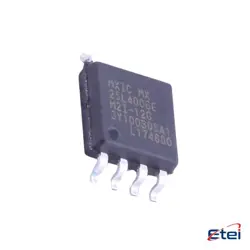
Images are for reference only
ATMEGA8-16AI
+BOMIC MCU 8BIT 8KB FLASH 32TQFP
-
ManufacturerMicrochip Technology
-
Mfr. Part #ATMEGA8-16AI
-
Datasheet ATMEGA8-16AI DataSheet
-
In Stock9847
365 Days Quality Guarantee
7*24 hours service quarantee
90-day after-sales guarantee
Genuine Product Guarantee
Specifications
| Attribute | Value |
| Series | AVR® ATmega |
| Part Status | Obsolete |
| DigiKey Programmable | Not Verified |
| Core Processor | AVR |
| Core Size | 8-Bit |
| Speed | 16MHz |
| Connectivity | I2C, SPI, UART/USART |
| Peripherals | Brown-out Detect/Reset, POR, PWM, WDT |
| Number of I/O | 23 |
| Program Memory Size | 8KB (4K x 16) |
| Program Memory Type | FLASH |
| EEPROM Size | 512 x 8 |
| RAM Size | 1K x 8 |
| Voltage - Supply (Vcc/Vdd) | 4.5V ~ 5.5V |
| Data Converters | A/D 8x10b |
| Oscillator Type | Internal |
| Operating Temperature | -40°C ~ 85°C (TA) |
| Mounting Type | Surface Mount |
| Supplier Device Package | 32-TQFP (7x7) |
| Package / Case | 32-TQFP |
| Base Product Number | ATMEGA8 |
Overview
Description
Key features include a 10-bit ADC with 8 channels, various timers, and support for PWM outputs, which makes it ideal for projects such as robotics, sensor monitoring, and control systems. The ATmega8 can be programmed using the Arduino platform, simplifying development for hobbyists and engineers alike. Its low power consumption and versatility make it a popular choice for both beginners and advanced users in electronics design.
Equivalent
Features
1. Memory: 8 KB of Flash memory, 1 KB of SRAM, and 512 bytes of EEPROM.
2. Speed: Operates at a maximum clock speed of 16 MHz.
3. I/O Ports: 23 general-purpose I/O pins.
4. Timers: Includes a 16-bit timer/counter and two 8-bit timers, providing various modes for timing tasks.
5. ADC: 10-bit Analog-to-Digital Converter with 8 channels.
6. Communication: Supports UART, SPI, and I2C interfaces for serial communication.
7. Power Modes: Multiple sleep modes for low power consumption.
8. Interrupts: Supports external and internal interrupts, enhancing responsiveness.
9. Operating Voltage: 2.7V to 5.5V range.
10. Packaging: Available in DIP, TQFP, and MLF packages.
The ATmega8-16AI is suitable for various applications, including embedded systems, automation, and hobbyist projects.
Pinout
1. Digital I/O Pins (0-13): 14 pins (PD0-PD7 and PB0-PB5) can be used for general-purpose digital input/output.
2. Analog Inputs (ADC): 6 pins (PC0-PC5) can serve as analog inputs for the 10-bit ADC.
3. Power Supply Pins: Includes VCC (power), GND (ground), and AVCC (analog power supply).
4. Reset Pin: A dedicated reset pin to restart the microcontroller.
5. Clock Input: XTAL1 and XTAL2 for connecting the external crystal oscillator.
6. Programming Interface: Includes pins for ISP (In-System Programming) to facilitate firmware updates.
The ATmega8 operates at a clock speed of up to 16 MHz and is suitable for various applications, such as embedded systems and prototyping.
Manufacturer
Microchip focuses on providing comprehensive solutions for embedded design, offering not only microcontrollers but also development tools, software, and support services. Their products are characterized by low power consumption, versatility, and ease of integration, making them popular among engineers and developers in the electronics industry. Additionally, Microchip has a strong commitment to innovation, regularly launching new technologies to meet the evolving needs of the market.
Application
1. Embedded Systems: For controlling devices and automation in home appliances.
2. Consumer Electronics: In gadgets like remote controls and toys.
3. Robotics: For motor control and sensor integration in robotic systems.
4. Data Acquisition: In monitoring systems for collecting and processing sensor data.
5. Industrial Automation: For process control and monitoring in manufacturing.
6. Educational Projects: As a learning tool for electronics and programming.
7. IoT Devices: Often used in low-power applications for connectivity and control.
Its versatility makes it suitable for a wide range of projects.