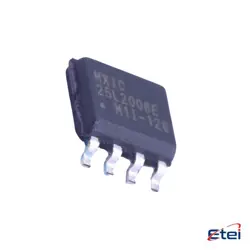
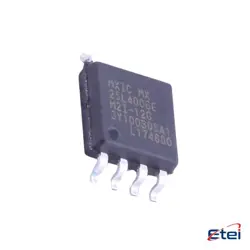
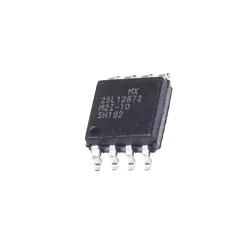
Images are for reference only
ATTINY40-SU
+BOMIC MCU 8BIT 4KB FLASH 20SOIC
-
ManufacturerAtmel
-
Mfr. Part #ATTINY40-SU
-
In Stock3629
365 Days Quality Guarantee
7*24 hours service quarantee
90-day after-sales guarantee
Genuine Product Guarantee
Specifications
| Attribute | Value |
| Series | AVR® ATtiny |
| Part Status | Active |
| DigiKey Programmable | Not Verified |
| Core Processor | AVR |
| Core Size | 8-Bit |
| Speed | 12MHz |
| Connectivity | I2C, SPI |
| Peripherals | Brown-out Detect/Reset, POR, PWM, WDT |
| Number of I/O | 18 |
| Program Memory Size | 4KB (2K x 16) |
| Program Memory Type | FLASH |
| RAM Size | 256 x 8 |
| Voltage - Supply (Vcc/Vdd) | 1.8V ~ 5.5V |
| Data Converters | A/D 12x10b |
| Oscillator Type | Internal |
| Operating Temperature | -40°C ~ 85°C (TA) |
| Mounting Type | Surface Mount |
| Supplier Device Package | 20-SOIC |
| Package / Case | 20-SOIC (0.295", 7.50mm Width) |
| Base Product Number | ATTINY40 |
Overview
Description
The ATTINY40-SU is a microcontroller from Microchip Technology, part of the AVR ATtiny series, designed for simple and cost-effective applications. It features an 8-bit RISC architecture that allows for efficient execution and compact code. The ATTINY40-SU offers 4KB of Flash memory, 256 bytes of SRAM, and 256 bytes of EEPROM, which are suitable for storing and running small programs.
This microcontroller operates at a maximum clock speed of 12 MHz and supports various power-saving modes, making it ideal for battery-powered devices. It includes a range of peripherals: an 8-channel 10-bit ADC, SPI communication, a Universal Serial Interface (USI), and I/O ports for interacting with other hardware components. Additionally, it offers features like an internal RC oscillator and an analog comparator.
The device is packaged in a compact 20-pin SOIC form factor, facilitating easy integration into space-constrained projects. Its robustness and low power consumption make the ATTINY40-SU suitable for embedded applications like sensor interfacing, small control systems, and educational projects.
This microcontroller operates at a maximum clock speed of 12 MHz and supports various power-saving modes, making it ideal for battery-powered devices. It includes a range of peripherals: an 8-channel 10-bit ADC, SPI communication, a Universal Serial Interface (USI), and I/O ports for interacting with other hardware components. Additionally, it offers features like an internal RC oscillator and an analog comparator.
The device is packaged in a compact 20-pin SOIC form factor, facilitating easy integration into space-constrained projects. Its robustness and low power consumption make the ATTINY40-SU suitable for embedded applications like sensor interfacing, small control systems, and educational projects.
Equivalent
The ATTINY40-SU is a microcontroller from Microchip Technology, featuring an 8-bit AVR architecture. Equivalent products include:
1. Microchip ATTINY44A - Another 8-bit AVR microcontroller with similar features.
2. Microchip ATTINY25 - A smaller, lower pin-count option.
3. NXP LPC810 - ARM Cortex-M0+ based microcontroller, similar feature set.
4. STMicroelectronics STM8S003F3 - 8-bit microcontroller with comparable functionality.
These alternatives may differ in specific features such as memory size, pin count, or peripherals.
1. Microchip ATTINY44A - Another 8-bit AVR microcontroller with similar features.
2. Microchip ATTINY25 - A smaller, lower pin-count option.
3. NXP LPC810 - ARM Cortex-M0+ based microcontroller, similar feature set.
4. STMicroelectronics STM8S003F3 - 8-bit microcontroller with comparable functionality.
These alternatives may differ in specific features such as memory size, pin count, or peripherals.
Features
The ATTINY40-SU is an 8-bit microcontroller from Atmel, now part of Microchip Technology. It is part of the AVR family and offers key features suitable for simple and cost-effective applications. Here's a concise overview of its features:
1. Core: 8-bit AVR RISC architecture for efficient instruction execution.
2. Program Memory: 4KB Flash for storing code.
3. RAM: 256 bytes of internal SRAM for data storage.
4. EEPROM: No EEPROM is included.
5. I/O Ports: 12 general-purpose I/O pins for interfacing.
6. Timers: Two 8-bit timers/counters for timing operations.
7. ADC: 8-channel, 10-bit ADC for analog signal processing.
8. Clock: Internal 8 MHz RC oscillator for clock generation.
9. Operating Voltage: 1.8V to 5.5V, enabling low-power operation.
10. Package: Available in a 20-pin SOIC form factor.
11. Temperature Range: Operates from -40°C to +85°C.
12. Low Power: Power-down and idle modes for energy efficiency.
13. Peripherals: Includes a Universal Serial Interface (USI) for communication.
The ATTINY40-SU is ideal for small-scale embedded systems requiring basic control and monitoring functions.
1. Core: 8-bit AVR RISC architecture for efficient instruction execution.
2. Program Memory: 4KB Flash for storing code.
3. RAM: 256 bytes of internal SRAM for data storage.
4. EEPROM: No EEPROM is included.
5. I/O Ports: 12 general-purpose I/O pins for interfacing.
6. Timers: Two 8-bit timers/counters for timing operations.
7. ADC: 8-channel, 10-bit ADC for analog signal processing.
8. Clock: Internal 8 MHz RC oscillator for clock generation.
9. Operating Voltage: 1.8V to 5.5V, enabling low-power operation.
10. Package: Available in a 20-pin SOIC form factor.
11. Temperature Range: Operates from -40°C to +85°C.
12. Low Power: Power-down and idle modes for energy efficiency.
13. Peripherals: Includes a Universal Serial Interface (USI) for communication.
The ATTINY40-SU is ideal for small-scale embedded systems requiring basic control and monitoring functions.
Pinout
The ATTINY40-SU is an 8-bit microcontroller from Microchip Technology, part of the AVR ATtiny family. It comes in a 20-pin SOIC (Small Outline Integrated Circuit) package. The device is designed for a range of applications and provides a variety of functionalities:
1. Pin Count: 20 pins.
2. Functionality:
- CPU: 8-bit AVR RISC architecture.
- Memory: 4KB of Flash memory, 256B of SRAM, and 256B of EEPROM.
- I/O Ports: 18 general-purpose I/O pins.
- Peripherals: Includes a Universal Serial Interface (USI), analog comparator, and internal 8MHz oscillator.
- Timers: Features two 8-bit Timer/Counters.
- ADC: 10-bit ADC with up to 12 single-ended channels.
- Operating Voltage: 1.8V to 5.5V.
- Speed: Up to 20MHz.
- Other Features: Watchdog Timer, Power-on Reset, and programmable Brown-out Detection.
The ATTINY40-SU is suitable for compact, low-power applications, offering versatile I/O, multiple communication interfaces, and efficient on-chip resources.
1. Pin Count: 20 pins.
2. Functionality:
- CPU: 8-bit AVR RISC architecture.
- Memory: 4KB of Flash memory, 256B of SRAM, and 256B of EEPROM.
- I/O Ports: 18 general-purpose I/O pins.
- Peripherals: Includes a Universal Serial Interface (USI), analog comparator, and internal 8MHz oscillator.
- Timers: Features two 8-bit Timer/Counters.
- ADC: 10-bit ADC with up to 12 single-ended channels.
- Operating Voltage: 1.8V to 5.5V.
- Speed: Up to 20MHz.
- Other Features: Watchdog Timer, Power-on Reset, and programmable Brown-out Detection.
The ATTINY40-SU is suitable for compact, low-power applications, offering versatile I/O, multiple communication interfaces, and efficient on-chip resources.
Manufacturer
The ATTINY40-SU is manufactured by Microchip Technology Inc. Microchip Technology is a leading provider of microcontroller, mixed-signal, analog, and Flash-IP solutions. The company specializes in offering comprehensive solutions for a wide range of applications, including automotive, industrial, consumer, aerospace, and communications. Microchip is known for its robust portfolio of microcontroller products, which includes the PIC and AVR series, as well as other types of integrated circuits. The company focuses on providing innovative, high-quality products that help engineers and designers to create efficient and reliable electronic systems.
Application
The ATTINY40-SU is a microcontroller well-suited for various applications due to its small size, low power consumption, and versatile features. Common application areas include:
1. Consumer Electronics: Used in devices like remote controls, toys, and small gadgets.
2. Home Automation: Ideal for smart home devices such as sensors and small control units.
3. Industrial Automation: Utilized in simple control systems and monitoring tools.
4. Automotive: Suitable for managing small tasks in automotive electronics.
5. Medical Devices: Applied in portable and wearable medical equipment.
6. IoT Devices: Used in low-power IoT applications for basic computations and data handling.
Its cost-effectiveness and ease of integration make it a popular choice in embedded systems.
1. Consumer Electronics: Used in devices like remote controls, toys, and small gadgets.
2. Home Automation: Ideal for smart home devices such as sensors and small control units.
3. Industrial Automation: Utilized in simple control systems and monitoring tools.
4. Automotive: Suitable for managing small tasks in automotive electronics.
5. Medical Devices: Applied in portable and wearable medical equipment.
6. IoT Devices: Used in low-power IoT applications for basic computations and data handling.
Its cost-effectiveness and ease of integration make it a popular choice in embedded systems.
Package
The ATTINY40-SU is a microcontroller from Microchip Technology, housed in an 8-pin SOIC (Small Outline Integrated Circuit) package. This surface-mount package type is compact and suitable for applications requiring a small footprint on the PCB.