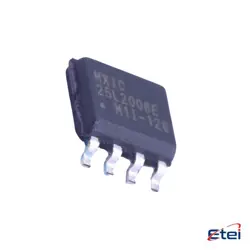
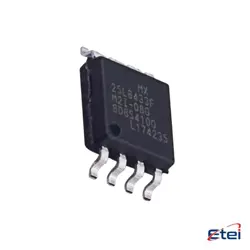
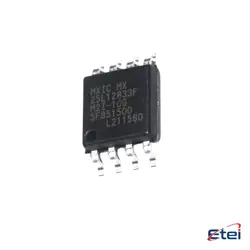
Images are for reference only
DTA114YET1G
+BOMTRANS PREBIAS PNP 50V 100MA SC75
-
Manufactureronsemi
-
Mfr. Part #DTA114YET1G
-
Datasheet DTA114YET1G DataSheet
-
Package SOT-416
-
In Stock28687
365 Days Quality Guarantee
7*24 hours service quarantee
90-day after-sales guarantee
Genuine Product Guarantee
Specifications
| Attribute | Value |
| Supplier | onsemi |
| Package / Case | Tape & Reel (TR),Cut Tape (CT) |
| Part Status | Active |
| Transistor Type | PNP - Pre-Biased |
| Current - Collector(Ic)(Max) | 100 mA |
| Voltage - Collector Emitter Breakdown(Max) | 50 V |
| Resistor - Base(R1) | 10 kOhms |
| Resistor - Emitter Base(R2) | 47 kOhms |
| DC Current Gain(h FE)(Min) @ Ic Vce | 80 @ 5mA, 10V |
| Vce Saturation(Max) @ Ib Ic | 250mV @ 300µA, 10mA |
| Current - Collector Cutoff(Max) | 500nA |
| Power - Max | 200 mW |
| Mounting Type | Surface Mount |
Overview
Description
1. Course Overview: The introduction typically provides a brief overview of what the course entails, including its main themes, objectives, and relevance.
2. Learning Outcomes: It outlines what students are expected to learn and achieve by the end of the course.
3. Key Topics: The introduction usually lists the primary topics or areas that will be covered throughout the course.
4. Instructional Methods: Information on how the course will be taught, such as lectures, seminars, or labs.
5. Assessment Criteria: Brief mention of how students will be evaluated, including exams, projects, or participation.
6. Prerequisites: Any required prior knowledge or courses needed before enrolling in this course.
For specific details about "DTA114YET1G," consulting the course syllabus, contacting the instructor, or checking the institution’s course catalog would be beneficial.
Equivalent
1. KTC3875S-Y-RTK/P by KEC
2. MUN5111DW1T1G by ON Semiconductor
3. PDTC114ET by Nexperia
4. RN4919FE by Toshiba
Always verify the specifications and pin configurations, as they may vary slightly between manufacturers.
Features
1. Type: It is an NPN digital transistor with a built-in resistor network.
2. Package: Available in a compact SOT-416 package, making it suitable for space-constrained applications.
3. Built-in Bias Resistors: The transistor includes a series resistor connected to the base, simplifying circuit design by eliminating the need for external bias resistors.
4. Voltage and Current: It typically supports a collector-emitter voltage (Vceo) of approximately 50V and a collector current (Ic) of around 100mA.
5. Resistor Values: The internal resistor configuration usually includes a base resistor (Rb) of about 10 kΩ.
6. Applications: Commonly used in digital circuits for switching and amplification applications, such as driving LEDs, relays, or interfacing microcontrollers with other devices.
7. Temperature Range: Operates effectively within a wide temperature range, typically from -55°C to +150°C.
These attributes make the DTA114YET1G a convenient choice for engineers looking to simplify circuit design in various electronic applications.
Pinout
1. Pin 1 (Base): This is the control pin for the transistor. In this device, there is a built-in resistor connected to the base which allows for current control without the need for an external base resistor.
2. Pin 2 (Emitter): This pin is the emitter terminal of the transistor and is typically connected to ground in most circuits.
3. Pin 3 (Collector): This is the output pin of the transistor where the controlled current flows through, usually connected to the load.
The DTA114YET1G is used in applications requiring small signal switching and amplification, benefiting from its resistor-equipped design which simplifies circuit design by reducing the number of external components needed.
Manufacturer
Application
1. Signal Amplification: Used in amplifying weak electrical signals in audio, radio, and other communication devices.
2. Switching Applications: Employed in switching applications, such as driving LEDs, relays, and other devices that require on-off control.
3. Voltage Regulation: Utilized in voltage regulation circuits to maintain a stable voltage level.
4. Motor Control: Acts as a switch or amplifier in motor control circuits for automation and robotics applications.
5. Consumer Electronics: Integrated into various consumer electronics including televisions, radios, and computers for different functional roles.
These applications make it versatile for use in both analog and digital circuits.