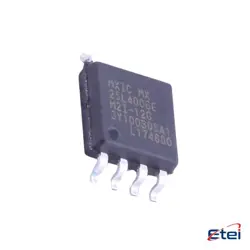
Specifications
| Attribute | Value |
| Package | Tube |
| Series | KEELOQ® |
| ProductStatus | Active |
| Type | Code Hopping Encoder |
| Applications | Remote Secure Access, Keyless Entry |
| MountingType | Surface Mount |
| Package/Case | 8-SOIC (0.154, 3.90mm Width) |
Overview
Description
HCS320/SN typically refers to a course related to health care communication, focusing on effective communication strategies within health care settings. This course often covers essential concepts such as interpersonal communication, understanding diverse patient needs, and utilizing technology to improve communication in health care. Key topics might include the role of verbal and non-verbal communication, overcoming barriers to effective communication, and the significance of cultural competence.
Students may also explore the impact of communication on patient outcomes and the importance of confidentiality and ethical considerations in health care settings. Additionally, the course might address the use of electronic health records and other digital communication tools to facilitate information sharing among health care professionals.
Overall, HCS320/SN aims to equip students with the skills needed to enhance interaction with patients, families, and colleagues, ultimately improving the quality of care and patient satisfaction. Successful completion of the course prepares individuals for the complexities of communication in dynamic and diverse health care environments.
Students may also explore the impact of communication on patient outcomes and the importance of confidentiality and ethical considerations in health care settings. Additionally, the course might address the use of electronic health records and other digital communication tools to facilitate information sharing among health care professionals.
Overall, HCS320/SN aims to equip students with the skills needed to enhance interaction with patients, families, and colleagues, ultimately improving the quality of care and patient satisfaction. Successful completion of the course prepares individuals for the complexities of communication in dynamic and diverse health care environments.
Equivalent
The HCS320/SN chip is a part of Microchip Technology's Keeloq series, often used for secure remote keyless entry systems. Equivalent products might include other Keeloq devices like the HCS301, HCS200, or HCS512. Similar products from other manufacturers might include encoders or transceivers with comparable security features. However, it's essential to review datasheets for compatibility and security requirements, as direct equivalents may vary depending on application specifics.
Features
HCS320/SN refers to a specific communication or healthcare course which might focus on skills and tools relevant to health communication. While the exact features can vary by institution, such courses typically cover:
1. Communication Theories: Understanding foundational theories to effectively convey health information.
2. Health Literacy: Strategies to improve patient understanding and engagement.
3. Cultural Competence: Techniques for communicating across diverse populations.
4. Technology in Communication: Utilization of digital tools and social media for health messaging.
5. Interpersonal Skills: Developing active listening and empathy for patient interactions.
6. Crisis Communication: Managing communication during health emergencies.
7. Public Health Campaigns: Designing and evaluating effective health promotion strategies.
8. Legal and Ethical Considerations: Understanding privacy laws and ethical standards in health communication.
These components aim to enhance the ability of healthcare professionals to communicate effectively with patients, colleagues, and the broader community.
1. Communication Theories: Understanding foundational theories to effectively convey health information.
2. Health Literacy: Strategies to improve patient understanding and engagement.
3. Cultural Competence: Techniques for communicating across diverse populations.
4. Technology in Communication: Utilization of digital tools and social media for health messaging.
5. Interpersonal Skills: Developing active listening and empathy for patient interactions.
6. Crisis Communication: Managing communication during health emergencies.
7. Public Health Campaigns: Designing and evaluating effective health promotion strategies.
8. Legal and Ethical Considerations: Understanding privacy laws and ethical standards in health communication.
These components aim to enhance the ability of healthcare professionals to communicate effectively with patients, colleagues, and the broader community.
Pinout
The HCS320 is a code hopping encoder from Microchip Technology, commonly used in remote keyless entry and secure access systems. It comes in an 8-pin configuration. Here's a concise breakdown of its pin functions:
1. VDD (Pin 1): Power supply voltage for the device.
2. VSS (Pin 2): Ground connection.
3. S2 (Pin 3): Switch input 2; used to trigger encoding and transmission.
4. S0 (Pin 4): Switch input 0; used to trigger encoding and transmission.
5. S1 (Pin 5): Switch input 1; used to trigger encoding and transmission.
6. S3 (Pin 6): Switch input 3; used to trigger encoding and transmission.
7. TX (Pin 7): Transmission output; sends encoded data to the transmitter.
8. CLK (Pin 8): Clock input for programming the device configuration.
These pins enable the HCS320 to generate secure, rolling code sequences for RF transmission, enhancing security in wireless communication systems.
1. VDD (Pin 1): Power supply voltage for the device.
2. VSS (Pin 2): Ground connection.
3. S2 (Pin 3): Switch input 2; used to trigger encoding and transmission.
4. S0 (Pin 4): Switch input 0; used to trigger encoding and transmission.
5. S1 (Pin 5): Switch input 1; used to trigger encoding and transmission.
6. S3 (Pin 6): Switch input 3; used to trigger encoding and transmission.
7. TX (Pin 7): Transmission output; sends encoded data to the transmitter.
8. CLK (Pin 8): Clock input for programming the device configuration.
These pins enable the HCS320 to generate secure, rolling code sequences for RF transmission, enhancing security in wireless communication systems.
Manufacturer
The HCS320/SN is manufactured by Elster, which is now part of Honeywell. Elster is known for its work in metering and smart grid technologies. The company specializes in manufacturing equipment and systems for electricity, gas, and water metering. Their products are used primarily by utility companies to measure and manage the delivery of resources to consumers.
Elster, acquired by Honeywell in 2015, has been integrated into Honeywell's broader portfolio of automation and control solutions. Honeywell is a multinational conglomerate that operates in various sectors, including aerospace, building technologies, performance materials, and safety and productivity solutions. Elster's expertise in meters and grid management complements Honeywell's focus on developing technologies that improve efficiency, safety, and connectivity in buildings and industrial settings.
Elster, acquired by Honeywell in 2015, has been integrated into Honeywell's broader portfolio of automation and control solutions. Honeywell is a multinational conglomerate that operates in various sectors, including aerospace, building technologies, performance materials, and safety and productivity solutions. Elster's expertise in meters and grid management complements Honeywell's focus on developing technologies that improve efficiency, safety, and connectivity in buildings and industrial settings.
Application
HCS320/SN is a type of polymer used in various applications due to its unique properties. Key application areas include:
1. Automotive: Used for manufacturing lightweight, durable components.
2. Electronics: Employed in making insulation materials and housing for electronic devices due to its thermal stability.
3. Medical Devices: Utilized in producing biocompatible components, such as tubing and containers.
4. Packaging: Offers high resistance and durability for packaging solutions.
5. Industrial Goods: Used in producing robust industrial components and machinery parts.
These applications capitalize on the polymer's strength, thermal stability, and resistance to chemicals.
1. Automotive: Used for manufacturing lightweight, durable components.
2. Electronics: Employed in making insulation materials and housing for electronic devices due to its thermal stability.
3. Medical Devices: Utilized in producing biocompatible components, such as tubing and containers.
4. Packaging: Offers high resistance and durability for packaging solutions.
5. Industrial Goods: Used in producing robust industrial components and machinery parts.
These applications capitalize on the polymer's strength, thermal stability, and resistance to chemicals.
Package
The HCS320/SN package type refers to a specific configuration for electronic components, but detailed information about this exact package type might not be widely documented or may pertain to a specific manufacturer's designation. Generally, HCS320 could refer to a microcontroller or similar component, but for precise details, consulting the manufacturer's datasheet or product documentation is recommended.