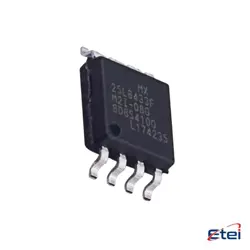
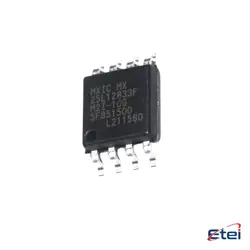
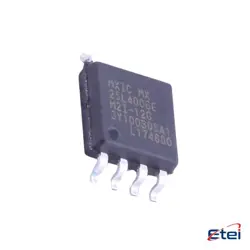
Images are for reference only
LM211QD
+BOMIC STROBED DIFF COMPRTOR 8-SOIC
-
ManufacturerTexas Instruments
-
Mfr. Part #LM211QD
-
Package SOIC (D)-8
-
In Stock6598
365 Days Quality Guarantee
7*24 hours service quarantee
90-day after-sales guarantee
Genuine Product Guarantee
Specifications
| Attribute | Value |
| Package | Bulk,Tube |
| ProductStatus | Active |
| Type | General Purpose |
| NumberofElements | 1 |
| OutputType | DTL, MOS, Open-Collector, Open-Emitter, RTL, TTL |
| Voltage-SupplySingle/Dual(±) | 3.5V ~ 30V, ±1.75V ~ 15V |
| Voltage-InputOffset(Max) | 3mV @ ±15V |
| Current-InputBias(Max) | 0.1µA @ ±15V |
| Current-Output(Typ) | 50mA |
| Current-Quiescent(Max) | 6mA |
| OperatingTemperature | -40°C ~ 125°C |
| Package/Case | 8-SOIC (0.154, 3.90mm Width) |
| MountingType | Surface Mount |
Overview
Description
The LM211QD features a differential input stage that allows for accurate voltage comparison, and its output is compatible with TTL and CMOS logic levels, ensuring easy integration with digital systems. It can operate with single or dual power supplies and is capable of pulling up to 50 mA of load current, which can directly drive loads like relays or LEDs. The device also includes features such as low input offset voltage and high input impedance, contributing to its precision and reliability.
Its application fields include zero-crossing detectors, voltage level shifters, and threshold detectors in industrial, automotive, and consumer electronics. The LM211QD is preferred for its precision and reliability in critical comparison tasks.
Equivalent
1. LM311: A widely used voltage comparator with similar specifications.
2. LM193: A dual version offering two independent comparators.
3. LM339 A quad comparator with multiple channels.
4. LMV331: A low-voltage variant suitable for battery-powered applications.
5. TL331: Another single voltage comparator with compatible features.
These alternatives may have variations in parameters like voltage range, speed, and power consumption, so review the datasheets to ensure suitability for your application.
Features
1. Wide Supply Voltage Range: It operates effectively across a wide voltage range, typically from ±5V to ±15V, making it versatile for different power supply conditions.
2. Fast Response Time: The comparator has a quick response, with a typical response time of 200 nanoseconds, which is ideal for high-speed applications.
3. Low Input Offset Voltage: This feature ensures precision in voltage comparison, with minimal error due to offset voltage.
4. Low Power Consumption: The LM211QD is designed to consume minimal power, enhancing its efficiency in battery-powered and low-power applications.
5. Differential Input: It supports differential inputs, allowing it to compare two voltages and provide an output based on their difference.
6. Compatible Output: The output of the LM211QD can drive TTL, DTL, and MOS circuits, providing flexibility in interfacing with digital logic systems.
These features make the LM211QD suitable for zero-crossing detectors, voltage level detectors, and other precision comparison applications.
Pinout
1. V+ (Pin 8): Positive power supply.
2. Output (Pin 1): Comparator output.
3. GND (Pin 4): Ground or negative power supply.
4. Non-inverting Input (Pin 3): Non-inverting input for the comparator.
5. Inverting Input (Pin 2): Inverting input for the comparator.
6. Balance/Strobe (Pin 5): Used for offset voltage balancing or strobing the comparator off.
7. Balance (Pin 6): Additional option for offset voltage balancing.
8. V- (Pin 7): Negative power supply (optional connection for dual supplies).
The LM211QD is designed for single or dual power supplies and can be used in various applications like zero-crossing detectors and voltage level sensing due to its ability to compare voltages accurately.
Manufacturer
Application
1. Voltage Level Detection: It is used to monitor voltage levels in power management systems.
2. Zero-Crossing Detectors: Utilized in AC signal processing to identify zero voltage crossing points.
3. Pulse-Width Modulation: Facilitates PWM signal generation in motor control and communication systems.
4. Oscillators: Used in the design of relaxation oscillators for timing applications.
5. Analog-to-Digital Converters (ADC): Acts as a threshold detector to trigger ADC conversions.
6. Signal Conditioning: Employed in sensor interfaces to compare analog signals against reference levels.
These applications leverage its fast response time and wide operating voltage range.