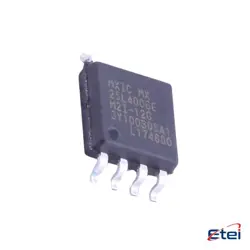
Images are for reference only
NUC029LAN
+BOMIC MCU 32BIT 64KB FLASH 48LQFP
-
ManufacturerNuvoton Technology Corporation
-
Mfr. Part #NUC029LAN
-
Datasheet NUC029LAN DataSheet
-
Package LQFP48
-
In Stock3120
365 Days Quality Guarantee
7*24 hours service quarantee
90-day after-sales guarantee
Genuine Product Guarantee
Specifications
| Attribute | Value |
| Package | Tray |
| Series | NuMicro™ NUC029 |
| ProductStatus | Active |
| CoreProcessor | ARM® Cortex®-M0 |
| CoreSize | 32-Bit Single-Core |
| Speed | 72MHz |
| Connectivity | EBI/EMI, I²C, IrDA, SPI, UART/USART |
| Peripherals | Brown-out Detect/Reset, LVD, POR, PWM, WDT |
| NumberofI/O | 40 |
| ProgramMemorySize | 64KB (64K x 8) |
| ProgramMemoryType | FLASH |
| EEPROMSize | 4K x 8 |
| RAMSize | 4K x 8 |
| Voltage-Supply(Vcc/Vdd) | 2.5V ~ 5.5V |
| DataConverters | A/D 8x12b |
| OscillatorType | Internal |
| OperatingTemperature | -40°C ~ 85°C (TA) |
| MountingType | Surface Mount |
| Package/Case | 48-LQFP |
Overview
Description
Key features include a range of peripherals such as multiple I/O ports, timers, UART, SPI, and I2C interfaces, which facilitate communication with other devices and sensors. It also includes ADC channels for analog signal processing. The NUC029LAN supports a wide voltage range, enhancing its flexibility in different power environments.
Developers can program the NUC029LAN using various development tools and environments supported by Nuvoton, which offer extensive libraries and resources to streamline the development process. This microcontroller is typically used in consumer electronics, industrial controls, and IoT applications where cost-effectiveness and reliability are crucial. Its compact size and versatile functionality make it a popular choice for engineers and designers looking to implement efficient embedded solutions.
Equivalent
1. STM32F030 series from STMicroelectronics
2. LPC11xx series from NXP
3. EFM32 Zero Gecko series from Silicon Labs
These alternatives may differ slightly in terms of specific features or performance specifications, so reviewing datasheets is recommended for precise matching.
Features
1. Core: It is based on the ARM® Cortex®-M0 core, offering 32-bit performance.
2. Speed: Operates at a frequency of up to 50 MHz.
3. Memory: Equipped with 32 KB of Flash memory and 4 KB of SRAM.
4. I/O: Provides up to 44 general-purpose I/O pins, allowing versatile connectivity.
5. Timers: Includes multiple timers for various applications such as PWM generation and time counting.
6. Communication Interfaces: Supports several communication protocols, including UART, SPI, and I2C, facilitating communication with peripheral devices.
7. ADC: Features a 12-channel, 12-bit ADC for precise analog signal conversion.
8. Operating Voltage: Functions within a voltage range of 2.5V to 5.5V.
9. Package: Available in a variety of package types, such as LQFP and QFN, catering to different design needs.
10. Peripherals: Includes additional peripherals like comparators and watchdog timers for enhanced functionality.
These features make the NUC029LAN suitable for a range of embedded applications, balancing performance and cost.
Pinout
Its primary functions include:
1. Core and Performance: It is built around the ARM® Cortex®-M0 core, which runs at a frequency up to 50 MHz.
2. Memory: The device typically includes flash memory for program storage and SRAM for data operations.
3. Peripherals:
- I/O Ports: Multiple general-purpose I/O pins for interfacing.
- Communication Interfaces: UART, SPI, and I2C for serial communication.
- Timers and PWM: Multiple timers and Pulse Width Modulation support for time-based operations and motor control.
- ADC: An Analog-to-Digital Converter for sensor interfacing.
These features make the NUC029LAN suitable for a wide range of applications, from consumer electronics to industrial automation.
Manufacturer
Application
1. Embedded Systems: Used in small-scale embedded applications due to its efficient processing capabilities and low power needs.
2. Consumer Electronics: Ideal for controlling devices like home appliances and personal gadgets.
3. Industrial Automation: Employed in factory automation systems for controlling machinery and processes.
4. IoT Devices: Suitable for Internet of Things applications, where connectivity and energy efficiency are paramount.
5. Education and Prototyping: Used in educational settings and prototyping for learning and development purposes due to its ease of use and flexibility.