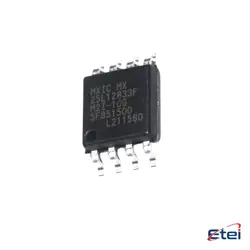
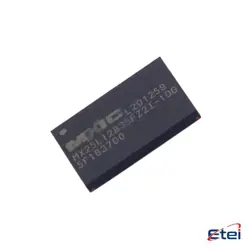
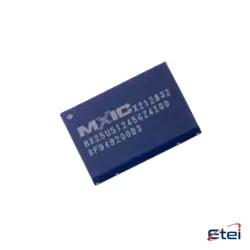
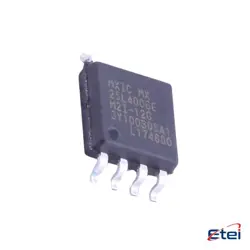
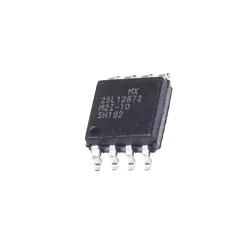
Images are for reference only
STM32F072RBH6TR
+BOMIC MCU 32BIT 128KB FLASH 64UFBGA
-
ManufacturerSTMicroelectronics
-
Mfr. Part #STM32F072RBH6TR
-
Datasheet STM32F072RBH6TR DataSheet
-
In Stock3107
365 Days Quality Guarantee
7*24 hours service quarantee
90-day after-sales guarantee
Genuine Product Guarantee
Specifications
| Attribute | Value |
| Series | STM32F0 |
| Part Status | Active |
| Digi Key Programmable | Not Verified |
| Core Processor | ARM® Cortex®-M0 |
| Core Size | 32-Bit Single-Core |
| Speed | 48MHz |
| Connectivity | CANbus, HDMI-CEC, I2C, IrDA, LINbus, SPI, UART/USART, USB |
| Peripherals | DMA, I2S, POR, PWM, WDT |
| Number of I/O | 51 |
| Program Memory Size | 128KB (128K x 8) |
| Program Memory Type | FLASH |
| RAM Size | 16K x 8 |
| Voltage - Supply (Vcc/Vdd) | 1.65V ~ 3.6V |
| Data Converters | A/D 19x12b; D/A 1x12b |
| Oscillator Type | Internal |
| Operating Temperature | -40°C ~ 85°C (TA) |
| Mounting Type | Surface Mount |
| Supplier Device Package | 64-UFBGA (5x5) |
| Package / Case | 64-UFBGA |
| Base Product Number | STM32F072 |
Overview
Description
Key specifications include 128 KB of Flash memory and 16 KB of SRAM, offering ample space for code and data storage. It supports a wide range of peripherals, such as USART, SPI, I2C, and USB, making it versatile for various applications. The chip comes with a 12-bit ADC, DAC, timers, and a flexible GPIO interface, enhancing its capabilities for signal processing and control tasks.
Packaged in a 64-pin LQFP, the STM32F072RBH6TR is suitable for space-constrained projects. Its robust set of features and cost-effectiveness make it ideal for consumer electronics, industrial applications, and other embedded systems requiring basic computational tasks.
Equivalent
1. STM32F070RB - A similar STM32 series microcontroller with slightly different features.
2. NXP's LPC11U68 - With USB capabilities and similar performance.
3. Microchip's ATSAMD21G18 - Offers similar ARM Cortex-M0+ core.
When selecting an equivalent, consider specific features, peripherals, and performance requirements to ensure compatibility with your application.
Features
1. Core and Performance:
- ARM Cortex-M0 processor, running at up to 48 MHz.
- 128 KB Flash memory and 16 KB SRAM.
2. Peripherals:
- 12-bit ADC with up to 16 channels.
- Up to 11 timers, including advanced-control, general-purpose, and basic timers.
- USB 2.0 Full-Speed interface.
- Multiple communication interfaces: I2C, SPI, USART, and HDMI CEC.
3. Operating Voltage:
- 2.0V to 3.6V.
4. Low-Power Modes:
- Offers various power-saving modes, including sleep, stop, and standby.
5. Pin Count and Package:
- LQFP64 package with 64 pins.
6. Other Features:
- Integrated real-time clock (RTC).
- System memory boot mode.
- Development support: SWD and JTAG interfaces.
This microcontroller is suitable for cost-sensitive applications requiring low power, efficient performance, and integrated connectivity options.
Pinout
Key features and functions include:
- 128 KB of Flash memory and 16 KB of SRAM.
- A wide range of peripherals, including up to 55 I/O ports, multiple timers, and communication interfaces like USART, I2C, and SPI.
- 12-bit ADC and DAC for analog functionalities.
- USB 2.0 full-speed interface.
- Various low-power modes to optimize battery life.
- Operating voltage range from 2.0 to 3.6 V.
- Clock speeds of up to 48 MHz.
- Integrated protection features, including a hardware CRC calculation unit, watchdog timers, and a power-on reset.
This microcontroller is suitable for a variety of applications, such as industrial control, consumer electronics, and communication devices.
Manufacturer
Application
1. Consumer Electronics: Used in home appliances and personal electronic devices.
2. Industrial Automation: Employed in control systems, PLCs, and data acquisition systems.
3. Internet of Things (IoT): Powers smart devices and connectivity solutions.
4. Automotive: Integrated into automotive control systems and infotainment.
5. Medical Devices: Utilized for device control and monitoring in diagnostic equipment.
6. Communication Systems: Supports USB, CAN, and other protocols.
7. Robotics: Facilitates motion control and sensor integration.
Its cost-effectiveness, flexibility, and robust performance make it suitable for these domains.